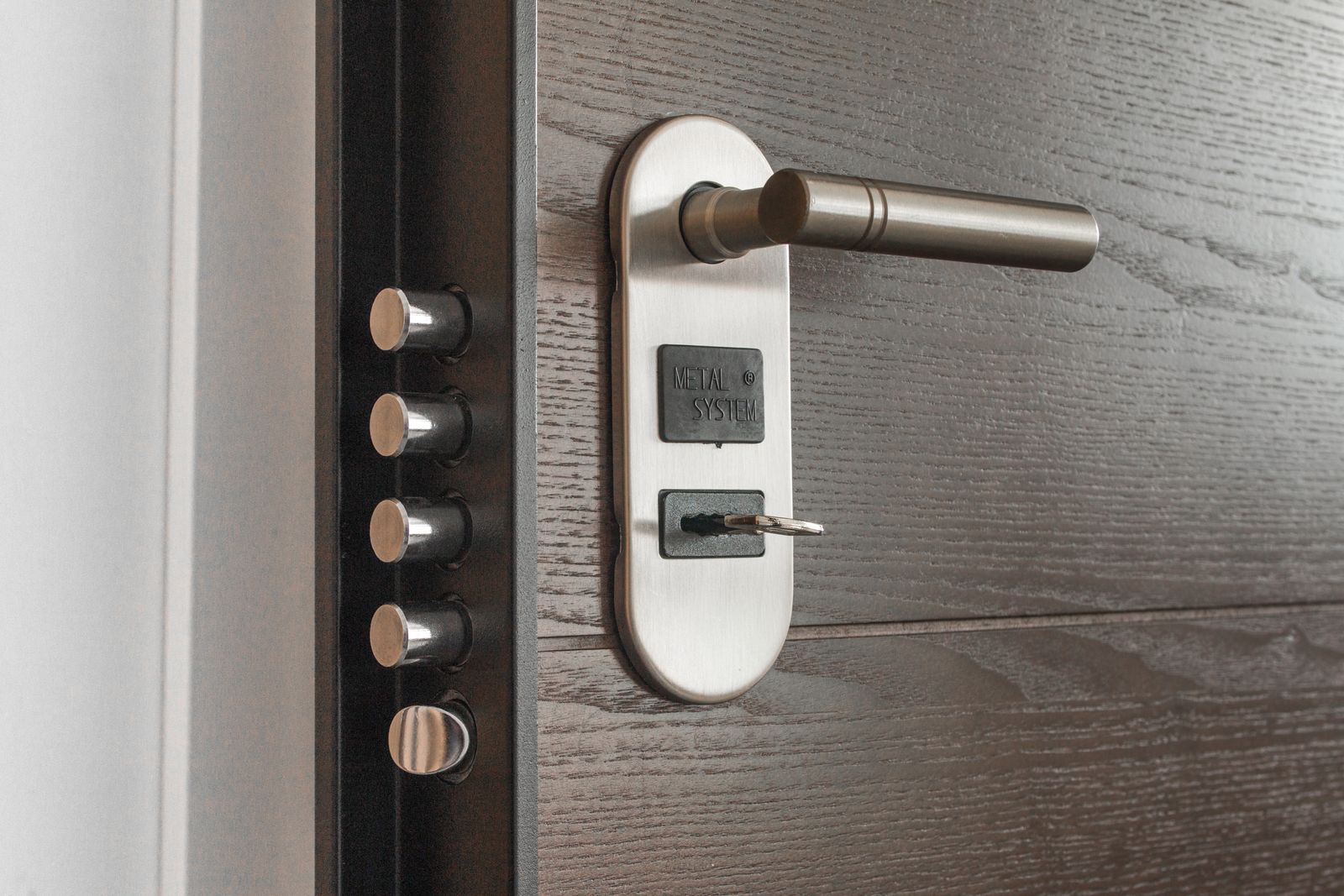
Modern access control systems for businesses provide far more than simply locking and unlocking doors. They help improve security, control access permissions, monitor movement throughout a building, and reduce the risks associated with lost keys and unauthorised entry.
From small offices to large industrial facilities, selecting the right access control system can significantly improve both security and operational efficiency.
What Are Access Control Systems?
Access control systems for businesses allow organisations to manage who can enter specific areas of a building and when they can gain access. Instead of relying on traditional keys, users are granted permissions through electronic credentials.
Common access methods include:
- Key fobs
- Access cards
- PIN codes
- Mobile credentials
- Biometric readers
Modern systems can also integrate with CCTV, fire alarms, and security management platforms.
Why Businesses Are Moving Away from Traditional Keys
Traditional key systems can create several challenges:
- Lost or stolen keys
- Expensive lock replacements
- Limited audit trails
- Difficulty controlling access permissions
By contrast, access control systems for businesses allow permissions to be updated instantly without replacing physical locks.
Types of Access Control Systems
Key Fob and Card Systems
One of the most popular options for commercial properties, key fob systems offer a simple and cost-effective solution.
Benefits include:
- Easy user management
- Fast deployment
- Scalable for growing businesses
- Suitable for offices, warehouses, and communal buildings
PIN Code Entry Systems
PIN-based systems remove the need for physical credentials and can be ideal for lower-risk areas.
Advantages include:
- No cards to lose
- Easy access management
- Cost-effective installation
However, PIN codes should be changed regularly to maintain security.
Mobile Access Control
Many modern access control systems for businesses now allow users to access buildings through smartphone apps.
Benefits include:
- Remote management
- Reduced administration
- Improved convenience
- Real-time access control updates
Biometric Access Control
Biometric systems use unique characteristics such as fingerprints or facial recognition. These systems are often used where security requirements are particularly high.
Benefits include:
- High security levels
- No lost credentials
- Strong user verification
Choosing the Right Access Control System
The best solution depends on several factors:
Building Type
An office environment may require different functionality compared to a factory, warehouse, or residential development.
Number of Users
The larger the workforce, the more important user management and scalability become.
Security Requirements
Some businesses require simple door control, while others need advanced multi-layered access management.
Integration Requirements
Many businesses benefit from integrating access control with:
- CCTV systems
- Intruder alarms
- Fire alarm systems
- Visitor management platforms
Common Mistakes to Avoid
- Choosing a system that cannot scale
- Ignoring future expansion plans
- Not considering integration opportunities
- Selecting the cheapest option rather than the most suitable solution
- Failing to review access permissions regularly
A properly designed system should support both current and future business needs.
Access Control for Commercial and Industrial Sites
Commercial and industrial facilities often require multiple access levels across different areas. Modern access control systems for businesses can provide:
- Staff-only areas
- Restricted management access
- Visitor controls
- Time-based permissions
- Audit trails and reporting
This helps improve both security and operational control.
FAQs
Next Step
Choosing the right access control systems for businesses requires careful consideration of your building, workforce, and security requirements. Scope Fire Protection designs, installs, and maintains access control solutions tailored to commercial, industrial, and residential environments. Contact us for a free site survey and no-obligation quote.