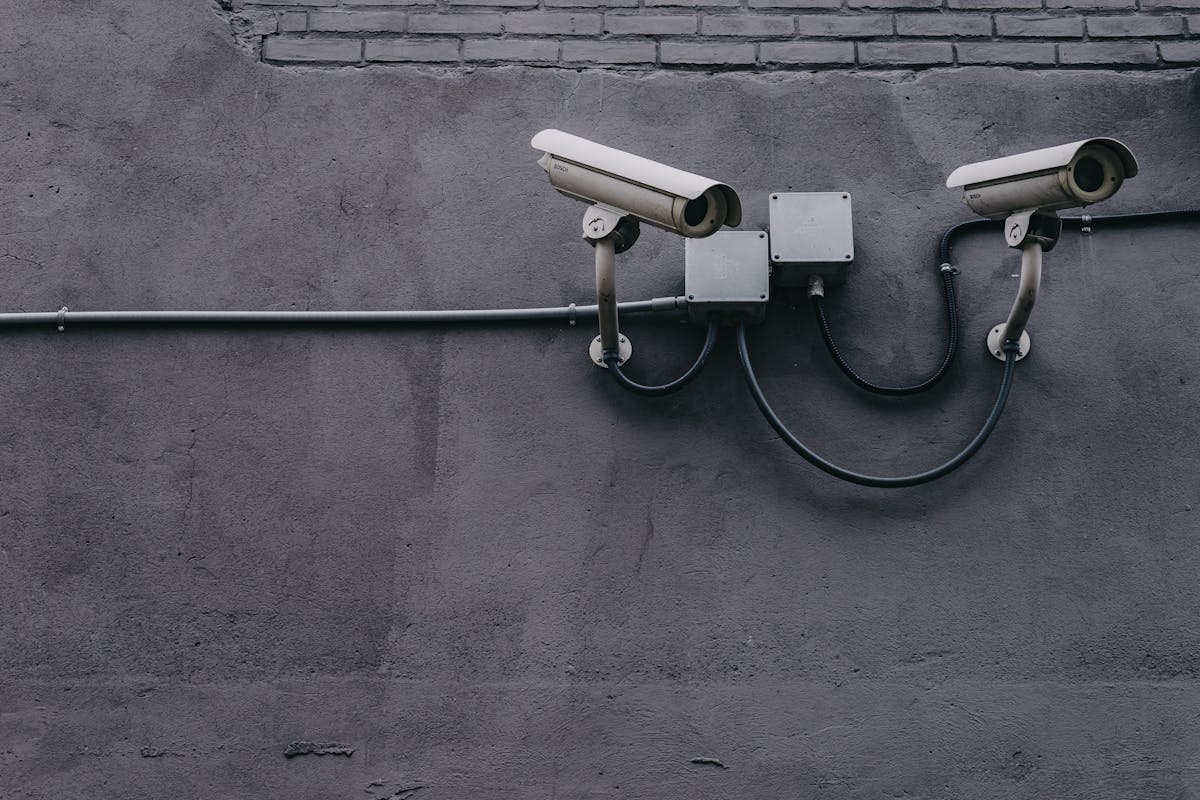
Effective CCTV installation is one of the most important parts of protecting a commercial property. Whether you manage a warehouse, factory, office, retail unit, or industrial site, a well-designed CCTV system helps deter crime, monitor activity, and support incident investigation.
Why CCTV Installation Matters
A properly planned CCTV installation gives businesses better visibility across key areas of their premises. This can help reduce theft, improve site safety, and provide clear evidence if an incident occurs.
For commercial properties, CCTV is not just about cameras. It is about designing a system that covers the right areas, records clearly, and supports day-to-day security management.
Start with a Site Survey
Before any CCTV installation begins, a site survey should be carried out. This helps identify:
- Main entrances and exits
- Delivery areas and loading bays
- Car parks and external boundaries
- High-value storage areas
- Blind spots and vulnerable access points
A good survey ensures cameras are positioned where they provide real value.
Choose the Right Cameras
Different commercial environments need different camera types. Common options include:
- Dome cameras: ideal for internal areas and retail spaces
- Bullet cameras: suitable for external coverage
- PTZ cameras: useful for larger sites requiring flexible monitoring
- ANPR cameras: designed for vehicle access and number plate capture
Choosing the right equipment is essential for a reliable CCTV installation.
Plan Camera Placement Carefully
Poor camera placement is one of the most common CCTV mistakes. Cameras should be positioned to capture clear images without being affected by glare, shadows, or obstructions.
Key areas to cover include:
- Building entrances
- Reception areas
- Stock rooms
- Loading bays
- Plant rooms
- Perimeter fencing
- Car parks
Consider Lighting and Image Quality
Even the best cameras can struggle without suitable lighting. For commercial properties, your CCTV installation should consider night-time visibility, infrared capability, and lighting levels around the site.
High-definition cameras should be used where clear identification is needed, such as entrances, tills, loading areas, and vehicle access points.
Recording and Storage Requirements
A commercial CCTV system needs suitable recording capacity. The required storage depends on:
- Number of cameras
- Resolution quality
- Frame rate
- Retention period
- Motion detection settings
Businesses should decide how long footage needs to be stored and ensure the system is designed accordingly.
Remote Access and Monitoring
Modern CCTV installation often includes remote viewing through secure apps or monitoring platforms. This allows authorised users to check cameras from a phone, tablet, or desktop.
However, remote access must be configured securely to prevent unauthorised access. Passwords, user permissions, and network security should be managed properly.
GDPR and CCTV Compliance
Commercial CCTV systems must be used responsibly. Businesses should consider:
- Clear signage informing people CCTV is in operation
- Defined reasons for recording
- Controlled access to footage
- Secure storage of video data
- Retention policies
A compliant CCTV installation protects your business while respecting privacy requirements.
Common CCTV Installation Mistakes to Avoid
- Installing cameras without a proper survey
- Leaving blind spots around key areas
- Using low-quality cameras in critical locations
- Ignoring lighting conditions
- Not securing remote access
- Failing to maintain the system
Avoiding these mistakes ensures your system remains effective over time.
CCTV Installation for Commercial and Industrial Sites
Factories, warehouses, offices, and commercial units all have different security needs. Industrial sites may require coverage of machinery, yards, loading bays, and access control points, while offices may focus more on entrances, reception, and internal circulation areas.
A professional CCTV installation should be tailored to the specific risks and layout of the site.
FAQs
Next Step
If you are planning a CCTV installation for a commercial property, the most important step is a proper site survey. Contact Scope Fire Protection to design, install, and maintain a CCTV system tailored to your building, security risks, and operational needs.