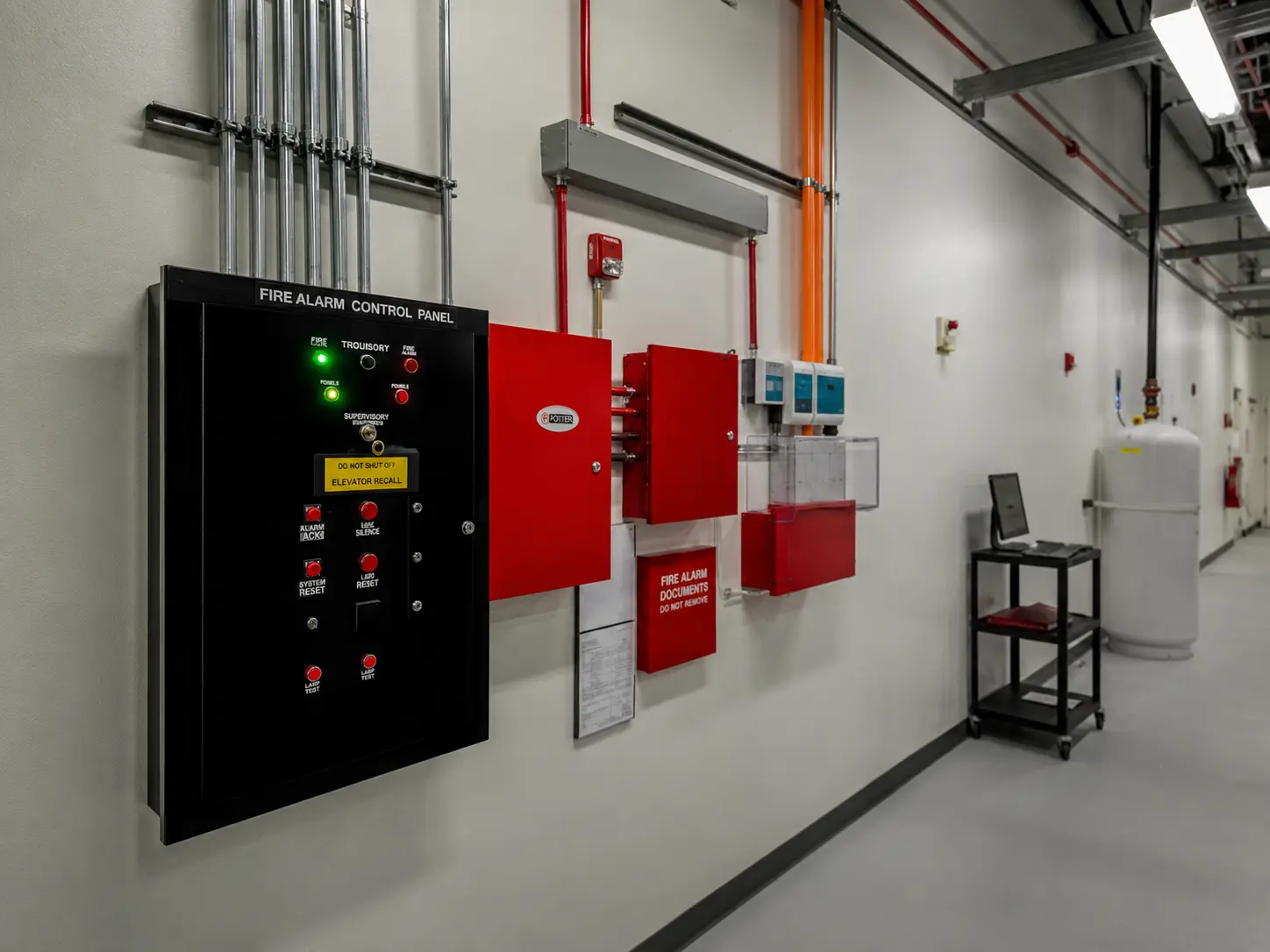
Fire alarm systems are designed to protect people, property, and business continuity, but installation alone is not enough. Regular fire alarm maintenance ensures systems remain reliable, compliant, and capable of operating correctly when they are needed most. Planned preventative maintenance helps identify issues early and reduces the risk of system failures.
What is Fire Alarm Maintenance?
Fire alarm maintenance is the routine inspection, testing, servicing, and upkeep of fire detection and alarm systems to ensure continued performance and compliance.
A planned maintenance programme helps confirm that all system components remain operational and suitable for the building they protect.
Why Planned Preventative Maintenance Matters
Fire alarm systems operate continuously and can deteriorate over time due to environmental conditions, ageing components, accidental damage, or building alterations.
Effective fire alarm maintenance helps:
- Improve system reliability
- Detect faults before failures occur
- Maintain compliance requirements
- Reduce emergency callouts
- Protect occupants and property
- Extend system lifespan
Preventative maintenance reduces disruption and ensures confidence in the system.
What Does Fire Alarm Maintenance Include?
A planned maintenance visit may include:
- Inspection of detectors and devices
- Testing alarm activation and sound levels
- Control panel checks
- Battery testing and inspection
- Verification of cause and effect operation
- Review of faults and event logs
- Inspection of interfaces and ancillary systems
The scope of maintenance should reflect the building type and system complexity.
Common Issues Identified During Maintenance
Routine fire alarm maintenance frequently identifies:
- Contaminated detectors
- Device faults
- Battery deterioration
- Damaged call points
- Communication faults
- Unrecorded building alterations
Early intervention prevents these issues from developing into system failures.
Compliance and Maintenance Responsibilities
Property owners and responsible persons should ensure fire alarm systems are regularly inspected and maintained. Maintenance records should be retained to demonstrate ongoing management of the system.
A planned approach supports compliance and creates a documented maintenance history.
Why Reactive Maintenance is Not Enough
Waiting until a fault occurs can create unnecessary risk and cost. Reactive maintenance often results in:
- Increased downtime
- Emergency callout costs
- Potential non-compliance
- Reduced confidence in system operation
Planned fire alarm maintenance shifts the focus from repair to prevention.
Fire Alarm Maintenance for Commercial and Residential Buildings
Different environments require different maintenance strategies.
Commercial buildings often need more frequent servicing due to occupancy levels and operational demands. Residential and communal buildings require maintenance that supports continued protection of occupants and escape routes.
A maintenance schedule should always reflect building use and risk profile.
Common Maintenance Mistakes to Avoid
- Ignoring recurring faults
- Delaying servicing visits
- Not documenting maintenance records
- Assuming systems are functioning because no faults are shown
- Allowing building changes without system review
Preventative maintenance helps avoid these common issues.
FAQs
Next Step
Planned fire alarm maintenance helps ensure your system remains reliable, compliant, and ready to perform when needed. Contact Scope Fire Protection for maintenance and servicing solutions tailored to commercial, industrial, and residential environments.