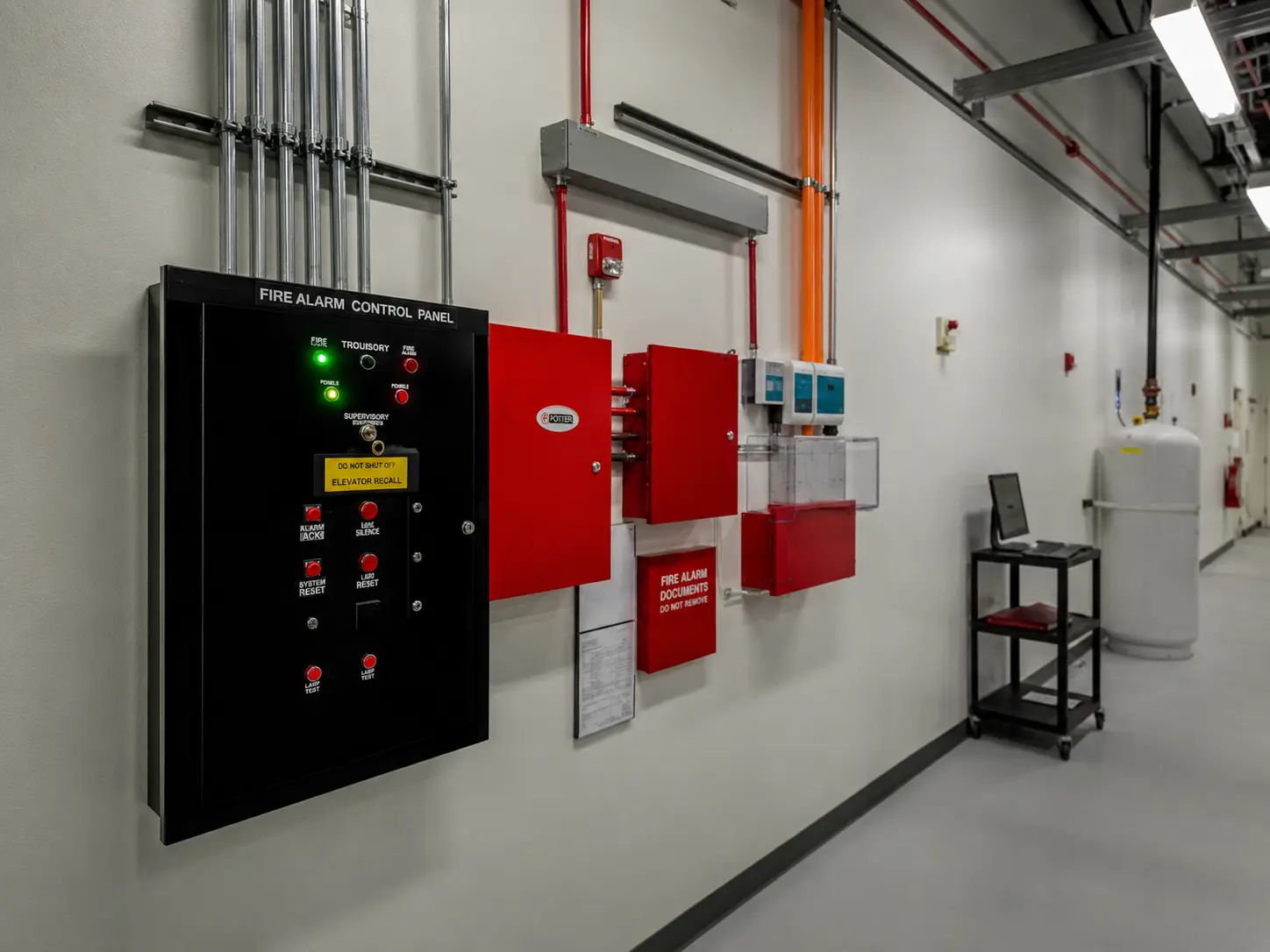
Reducing false fire alarms starts with understanding what happened. If your log says only “alarm reset”, the next engineer has little evidence to work with. A short, consistent record can help distinguish a repeated activation at one detector from several unrelated incidents.
This guide is for the review after an incident. When an alarm sounds, follow your premises’ fire emergency plan. Never assume it is false because previous alarms were. If there is a fire, call 999 from a safe place.
Record the event while the details are fresh
Once the incident has been dealt with safely, keep the information together in the alarm log. Suggested fields are:
- Date and time, including whether the building was occupied.
- Panel message, zone and device reference, where available to authorised staff.
- What people observed, keeping confirmed facts separate from suspected causes.
- Activities nearby, such as cooking, cleaning, deliveries or contractor work.
- Who attended, what action was taken and any fault that remained.
- The person responsible for follow-up and a target review date.
Do not put staff at risk to collect evidence. Use the information available through your agreed procedures and retain any engineer’s report alongside the entry.
Look for patterns, not a convenient explanation
Compare entries by device, location and time. Repeated events in one area merit a different conversation from activations across the building. Write “cause unknown” when there is no reliable explanation; a guess copied into successive entries can hide the real problem.
The government’s fire safety guide for offices and shops recommends investigating false alarms and reviewing detector design and location against how the premises are used. These are prompts for a competent specialist, not a diagnosis of your system.
A useful review question is: what changed shortly before the pattern started? Note room-use changes or nearby works so a competent specialist can assess them. Do not change detector types, positions or alarm settings yourself to suppress activations.
Give your engineer a brief they can act on
Send the relevant log entries ahead of the visit if practical. Include the system details you hold, the affected area and the specific question you need answered. “Three entries identify the same zone; can you investigate the cause?” is more useful than “the alarm is unreliable”.
Ask the engineer to distinguish confirmed findings from further checks needed. Request a clear record of any recommended action, who should undertake it and how completion will be checked. Our fire alarm maintenance service supports the technical investigation; your premises team should retain ownership of the follow-up record.
Keep the emergency response separate from the investigation
An improvement plan must not teach occupants to ignore alarms. Keep staff instructions consistent with the building’s emergency plan, and coordinate with other responsible persons where premises are shared. GOV.UK explains those responsibilities, including maintaining fire precautions, planning for emergencies and providing staff information and training.
For monitored systems, use the agreed arrangements with your provider for planned tests. Do not assume every alarm automatically brings a fire-service response, or apply another area’s attendance policy to your building.
Close the loop after remedial work
Give each action an owner and keep its completion evidence. Review subsequent log entries to see whether the same pattern returns. An absence of repeat activations over a short period does not prove that every underlying issue has been resolved.
Keep this incident review alongside your routine service records. Our planned preventative maintenance guide covers the broader maintenance context; this log is specifically for capturing and following up unwanted activations.
If your workplace is experiencing repeat false alarms, contact Scope Fire Protection with the relevant log entries and system details to discuss an investigation.